
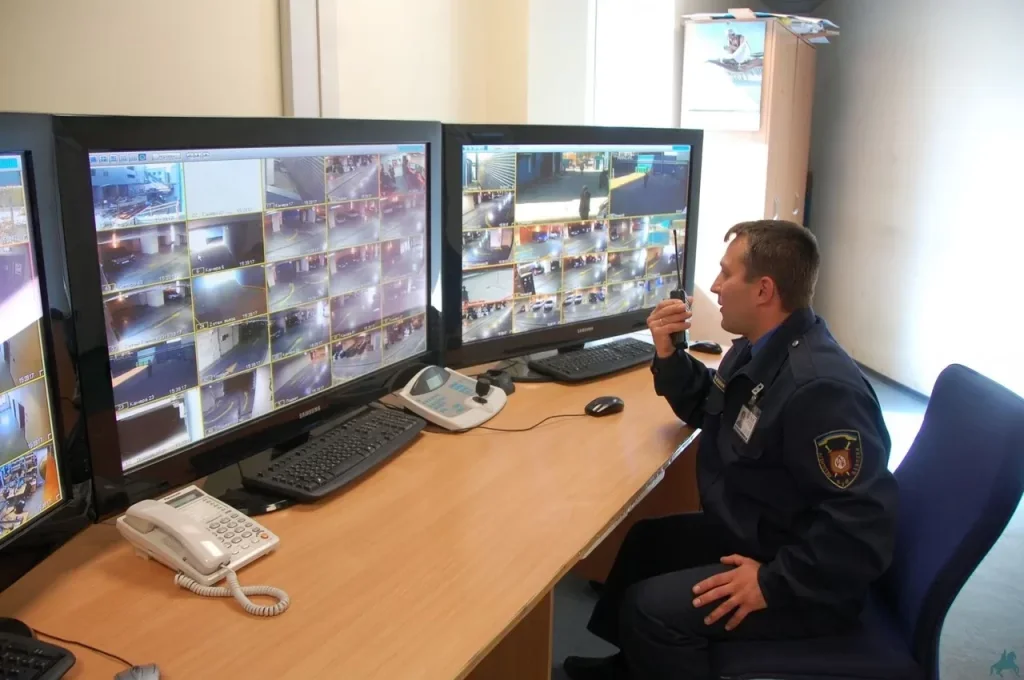
Target Audience:
- Emergency response coordinators and team members
- Managers and supervisors in high-risk industries
- Safety professionals and first responders
- Organizational leaders responsible for crisis management planning
Prerequisites: Familiarity with basic workplace safety protocols
Delivery Mode: Available in in-person, virtual, or blended learning formats
Key Materials:
- Emergency response manuals and checklists
- Case studies of real-world crisis management scenarios
- Practical templates for emergency and crisis management plans
Course Objectives:
By the end of this course, participants will:
- Understand the principles of emergency response and crisis management.
- Develop skills to create and implement effective emergency response plans.
- Gain the ability to assess risks and respond effectively to crises.
- Learn to lead and communicate efficiently during emergencies.
Course Outline:
Module 1: Introduction to Emergency Response and Crisis Management
- Defining emergencies and crises: key concepts and differences
- The importance of preparedness in minimizing impact
- Overview of key components of an emergency response plan
- Role of leadership in crisis management
Module 2: Risk Assessment and Crisis Planning
- Identifying potential emergencies and crises in various industries
- Conducting risk assessments: tools and methodologies
- Prioritizing risks and developing mitigation strategies
- Designing an effective crisis management framework
Module 3: Developing Emergency Response Plans
- Steps to create a comprehensive emergency response plan
- Identifying and assigning roles in the response team
- Integration of emergency procedures with existing workplace protocols
- Creating evacuation plans and assembly point management
Module 4: Crisis Communication and Coordination
- Importance of clear communication during a crisis
- Developing communication protocols for internal and external stakeholders
- Handling media and public relations during emergencies
- Use of technology in communication during crises
Module 5: Response Strategies for Specific Emergencies
- Fire incidents: containment, evacuation, and communication
- Natural disasters: preparedness and response strategies
- Workplace violence and active shooter scenarios
- Medical emergencies and first-aid response
Module 6: Crisis Management Leadership and Decision-Making
- Principles of effective leadership during a crisis
- Rapid decision-making under pressure
- Coordinating response teams for maximum efficiency
- Maintaining morale and ensuring safety
Module 7: Post-Crisis Recovery and Business Continuity
- Steps to assess and recover after an emergency
- Evaluating the effectiveness of the response and identifying lessons learned
- Restoring operations and minimizing downtime
- Developing business continuity plans for long-term resilience
Module 8: Legal and Regulatory Considerations
- Understanding laws and regulations related to emergency response
- OSHA standards and industry-specific requirements
- Liability and legal responsibilities during emergencies
- Documentation and reporting post-crisis
Module 9: Emergency Drills and Training
- Planning and conducting emergency response drills
- Evaluating team readiness and identifying gaps
- Continuous training and skill development for the emergency response team
- Engaging employees in preparedness activities
Assessment & Certification:
Assessment Methods: Scenario-based exercises, role-playing, group discussions, and quizzes
Certification: Successful participants will receive a certificate in Emergency Response and Crisis Management, confirming their ability to plan, lead, and execute effective emergency and crisis responses.