
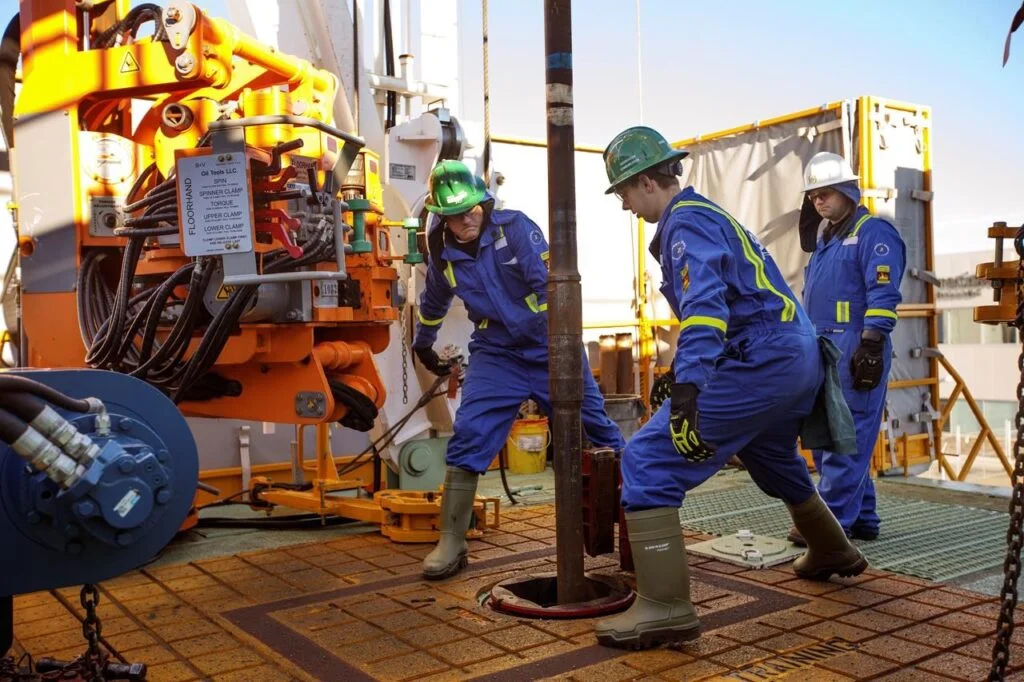
Target Audience:
- Drilling engineers, rig supervisors, and operations managers
- Personnel involved in drilling planning, design, and execution
- Project engineers and consultants in the drilling industry
Prerequisites: Basic knowledge of engineering principles and oilfield operations is recommended.
Delivery Mode: In-person, virtual, or blended learning formats available.
Key Materials:
- Drilling design software and planning tools
- Wellbore diagrams, casing, and cementing procedures
- Industry standards and guidelines for drilling operations
Course Objectives:
By the end of this course, participants will:
- Understand the fundamentals of drilling engineering and operations.
- Gain expertise in drilling design, well planning, and execution.
- Learn about drilling rig operations, equipment, and wellbore construction.
- Develop skills to troubleshoot drilling challenges and optimize operations for efficiency and safety.
Course Outline:
Module 1: Introduction to Drilling Engineering and Operations
- Overview of drilling engineering and its role in oil and gas production
- Key phases of drilling operations: planning, execution, and post-drilling
- Types of wells: vertical, deviated, and horizontal
Module 2: Drilling Rig Components and Operations
- Drilling rig systems and equipment overview
- Rig equipment: top drive, rotary table, blowout preventer (BOP), and more
- Rig operations: tripping, casing running, and drilling fluid circulation
Module 3: Well Planning and Drilling Design
- Well design principles: depth, trajectory, and casing program
- Drilling planning process: from feasibility studies to operational plans
- Cost estimation and resource allocation in well planning
Module 4: Drilling Fluids and Wellbore Stability
- Role and types of drilling fluids (mud, air, foam, etc.)
- Drilling fluid properties and their impact on wellbore stability
- Wellbore pressure management and mud weight calculations
Module 5: Drilling Operations and Techniques
- Drilling methods and bit selection
- Techniques for wellbore cleaning and hole enlargement
- Managing drilling challenges: stuck pipe, wellbore instability, and losses
Module 6: Well Control and Safety in Drilling Operations
- Overview of well control principles
- Blowout prevention systems and safety protocols
- Emergency procedures and HSE guidelines for drilling operations
Module 7: Casing, Cementing, and Completion
- Casing design and installation processes
- Cementing operations: materials, techniques, and best practices
- Post-drilling well completion and testing procedures
Module 8: Advanced Drilling Technologies and Trends
- Innovations in drilling technology: automated systems, directional drilling, and MWD/LWD
- Challenges and opportunities in deepwater and unconventional drilling
- The future of drilling: energy transition and sustainable practices
Module 9: Case Studies and Practical Applications
- Review of drilling projects and lessons learned
- Real-world challenges and problem-solving exercises
- Hands-on experience with drilling simulation and troubleshooting
Assessment & Certification:
Assessment Methods: Case studies, group assignments, quizzes, and hands-on exercises
Certificate: Participants will receive a certificate of completion for Drilling Engineering and Operations.